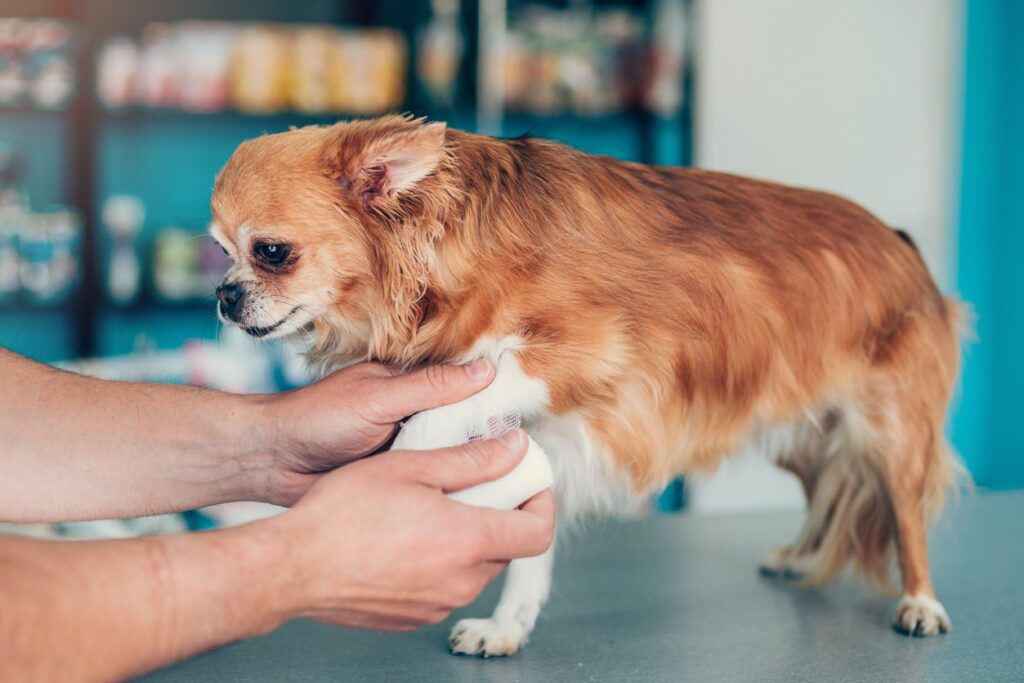
Dogs are man’s best friend, and we want to make sure they stay healthy and happy. However, sometimes our furry friends can suffer from an injury or a condition that may cause them to limp. Limping can be caused by several reasons such as fractures, sprains, strains, arthritis, and hip dysplasia, among others. As a dog owner, it is essential to know how to treat a limping dog at home. In this article, we will provide you with a step-by-step guide on how to treat your limping dog at home.
Understanding the Causes of Limping in Dogs
Before we delve into how to treat a limping dog at home, we need to understand what causes limping in dogs. Limping can be caused by several reasons, and some of them include:
Fractures
Fractures can occur when your dog suffers from a fall or is hit by a car. The symptoms of a fracture include pain, swelling, and a limp.
Sprains and Strains
Sprains and strains can occur when your dog overexerts themselves or makes a sudden movement. The symptoms of sprains and strains include limping, swelling, and pain.
Arthritis
Arthritis is a degenerative disease that affects the joints of dogs. The symptoms of arthritis include stiffness, limping, and pain.
Hip Dysplasia
Hip dysplasia is a genetic condition that affects the hip joint of dogs. The symptoms of hip dysplasia include limping, stiffness, and pain.
Step-by-Step Guide on How to Treat a Limping Dog at Home
Now that we have understood the causes of limping in dogs, let’s dive into how to treat a limping dog at home. Here is a step-by-step guide:
Step 1: Rest
The first step in treating a limping dog at home is to rest your dog. You should restrict your dog’s movement and avoid any strenuous activity. You can also use a crate or a small room to confine your dog.
Step 2: Apply Ice
Applying ice can help reduce swelling and pain in your dog’s limb. You can use a bag of ice or a cold compress and apply it to the affected area for about 15 minutes, 3-4 times a day.
Step 3: Elevate the Limb
Elevating the affected limb can help reduce swelling and pain. You can use a pillow or a rolled-up towel to elevate your dog’s limb.
Step 4: Massage
Massaging the affected area can help reduce pain and improve blood flow. You can use your fingertips to massage the affected area gently.
Step 5: Give Pain Medication
You can give your dog pain medication to help reduce pain and inflammation. However, you should always consult with your vet before giving your dog any medication.
Step 6: Monitor Your Dog
You should monitor your dog’s condition and observe any changes. If your dog’s condition worsens or does not improve, you should consult your vet.
When to Visit the Vet
While most limping in dogs can be treated at home, some cases may require a visit to the vet. Here are some signs that indicate you should take your dog to the vet:
- The limping persists for more than 24 hours
- The limb is severely swollen or deformed
- Your dog is in severe pain
- Your dog is not putting any weight on the affected limb
- Your dog has a fever
Conclusion
Limping in dogs can be caused by several reasons, and it is essential to know how to treat a limping dog at home.



Leave a Comment