
Are you a new puppy owner and concerned about why your puppy hasn’t pooped yet? Puppies, like babies, require special care and attention, and it is common for new pet owners to worry about their puppy’s bowel movements. There could be many reasons why your puppy hasn’t pooped, and in this article, we will discuss some of the most common causes and what you can do to help your furry friend.
Understanding Your Puppy’s Digestive System
Before we dive into the reasons why your puppy hasn’t pooped, it’s essential to understand how their digestive system works. Puppies, just like adult dogs, have a digestive tract that consists of the esophagus, stomach, small intestine, large intestine, and anus. Once your puppy ingests food, it travels down to the stomach, where it mixes with digestive enzymes and breaks down into smaller pieces. The partially digested food then enters the small intestine, where the nutrients are absorbed into the bloodstream. The remaining waste products then enter the large intestine, where water is absorbed, and the stool is formed. Finally, the stool is passed out through the anus.
Reasons Why Your Puppy Hasn’t Pooped
- Change in Diet: If you recently changed your puppy’s diet, it could be the reason why they haven’t pooped yet. Changing your puppy’s diet abruptly can cause digestive upset, leading to constipation.
- Dehydration: Dehydration is a common cause of constipation in puppies. Make sure your puppy has access to clean, fresh water at all times.
- Stress and Anxiety: Just like humans, stress and anxiety can cause digestive issues in puppies. If your puppy has recently moved to a new home or is experiencing separation anxiety, they may not feel comfortable enough to poop.
- Lack of Exercise: Puppies need plenty of exercise to keep their digestive system healthy. Lack of exercise can lead to constipation and other digestive problems.
- Blockage or Obstruction: Sometimes, a blockage or obstruction in the digestive tract can prevent your puppy from pooping. This could be due to eating something they shouldn’t have, such as a toy or a sock.
- Medical Issues: Certain medical conditions, such as an intestinal parasite or an anal gland problem, can cause constipation in puppies.
What You Can Do to Help Your Puppy
- Increase Water Intake: If you suspect that your puppy is dehydrated, make sure they have access to plenty of clean, fresh water. You can also try adding a little bit of low-sodium chicken broth to their water to encourage them to drink more.
- Adjust Diet: If you recently changed your puppy’s diet, try switching back to their old food and gradually introducing the new food over several days. This will give their digestive system time to adjust.
- Exercise: Take your puppy for a walk or play with them to get their bowels moving.
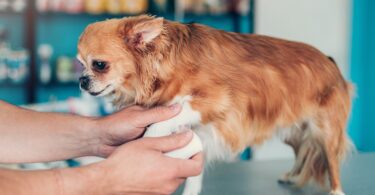
- Massage: Gently massage your puppy’s belly in a circular motion to help stimulate their bowels.
- Visit the Vet: If your puppy hasn’t pooped for more than 24 hours or is showing other signs of discomfort, it’s essential to take them to the vet. Your vet can perform an exam to determine if there is an underlying medical condition causing the constipation.
Conclusion
Puppies can be prone to constipation, but there are many things you can do to help them. Keep an eye on their diet, water intake, exercise, and stress levels. If your puppy hasn’t pooped for more than 24 hours or is showing signs of discomfort, it’s best to take them to the vet. With

Leave a Comment